The standards this site holds the council to
Everything on this site is measured against one document: the Government's statutory Code of Practice on Litter and Refuse (Defra, England, current version March 2026). It is not our opinion — it is the standard the council and its appointed contractors are legally required to work to. Below is what it actually says.
1. The grades of cleanliness (A–D)
These are the four grades used to describe how much litter and refuse is present. The wording below is taken directly from the Code.
Litter and refuse — what each grade looks like on a street
Example photographs from the Code of Practice on Litter and Refuse (Defra). Contains public sector information licensed under the Open Government Licence v3.0. © Crown copyright.
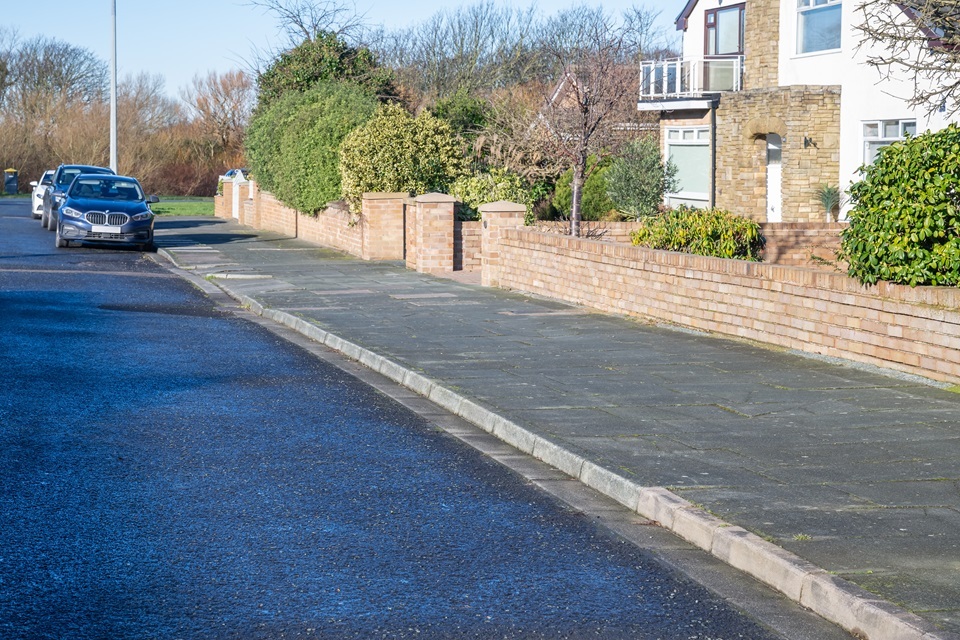
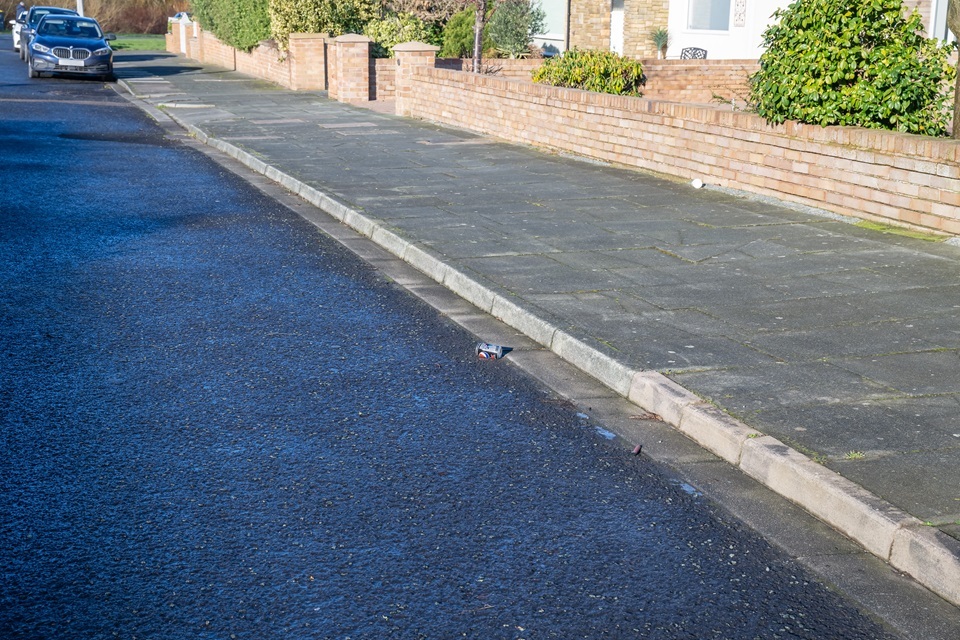
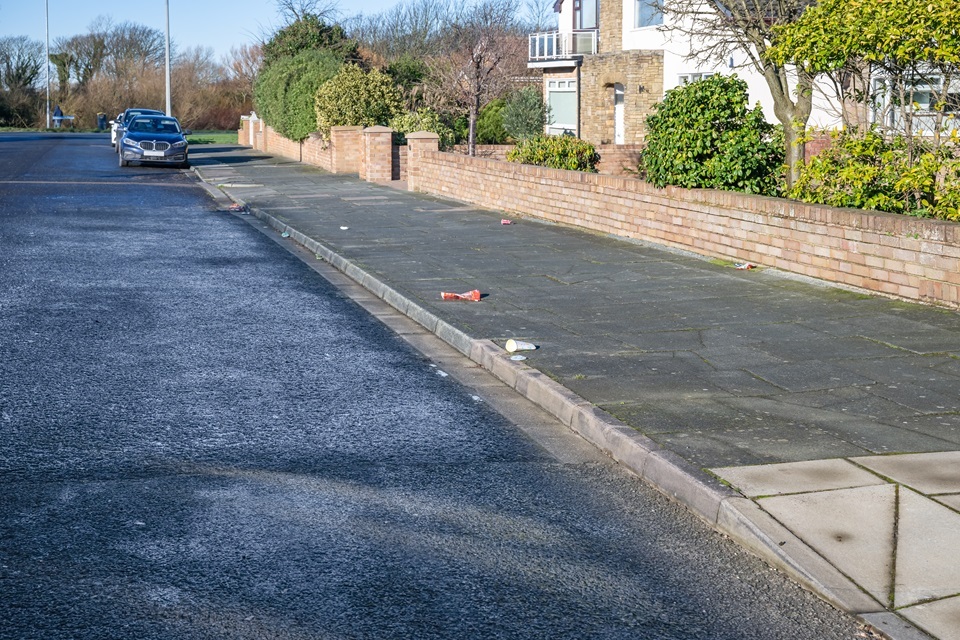
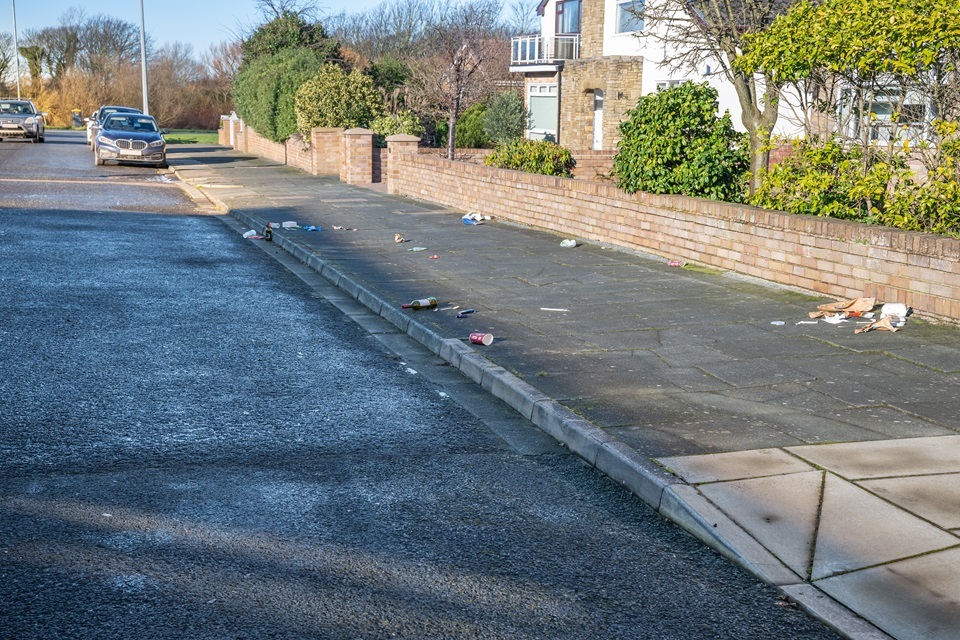
A separate A–D scale applies to detritus — the fine gritty muck: silt, dust, grit, mud and small fragments of broken-down debris that gather in gutters and along kerbs. On metalled highways, detritus must be removed to Grade A after cleansing.
Detritus — what each grade looks like on a road
Example photographs from the Code of Practice on Litter and Refuse (Defra). Contains public sector information licensed under the Open Government Licence v3.0. © Crown copyright.
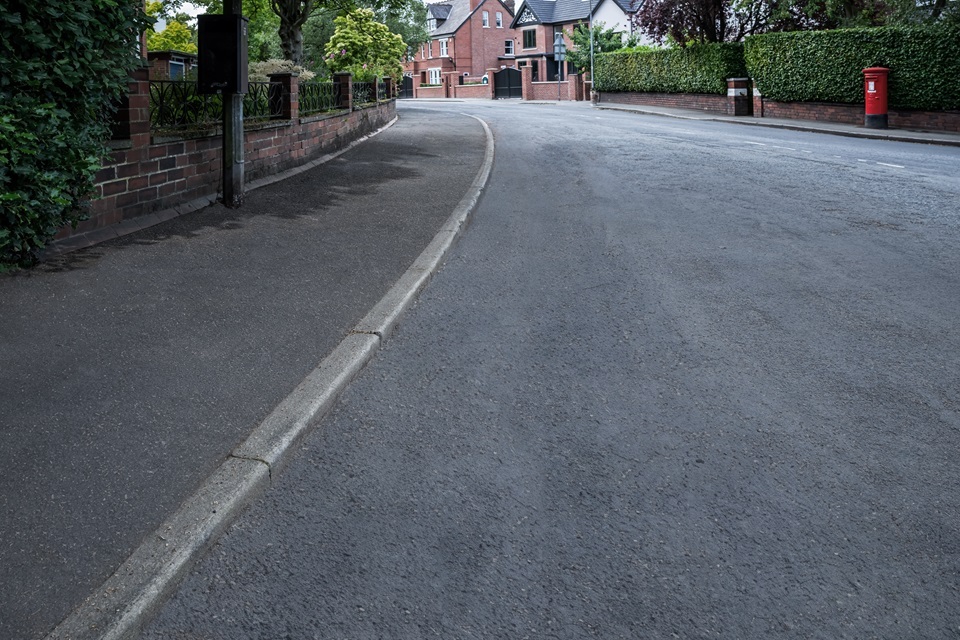
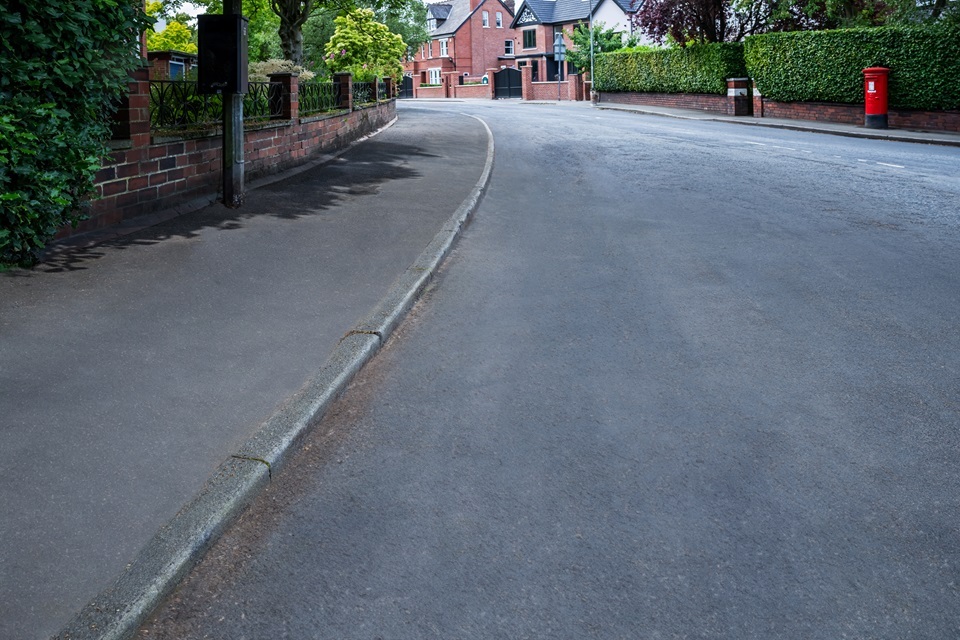
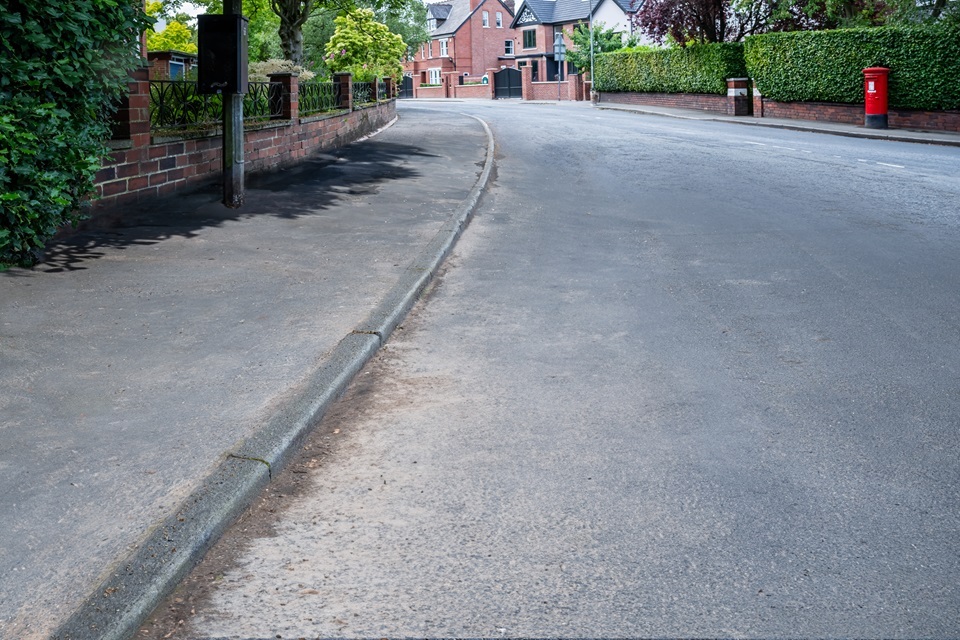
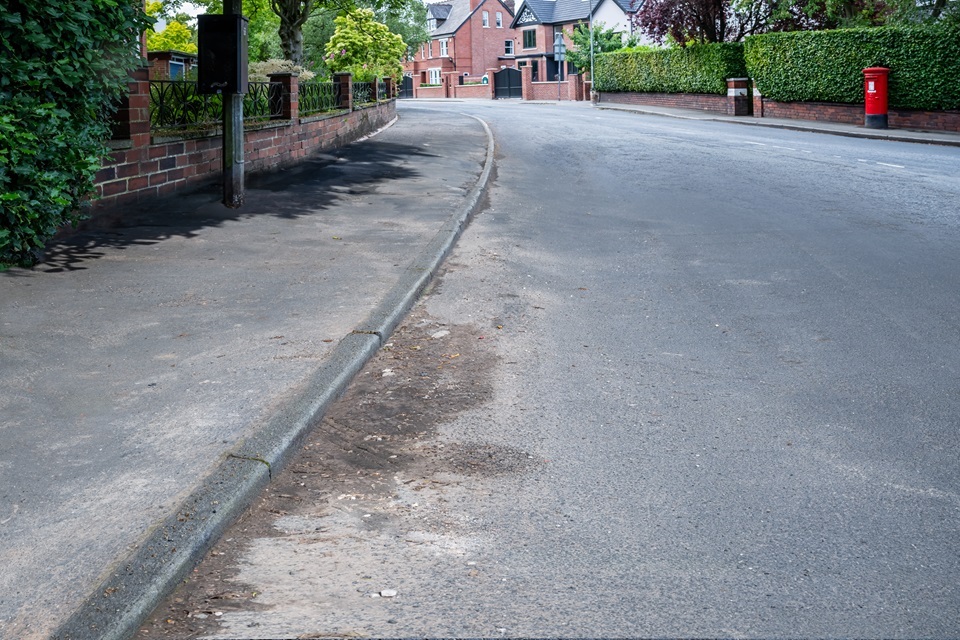
“On roads where high levels of vehicle obstruction occur most of the time, appropriate cleansing strategies must be used such as manual sweeping … for example, on roads located within areas of high-density housing.” — Code of Practice on Litter and Refuse, paragraph 9.18
The Code also tells managers to “identify times at which roads are least busy or obstructed” and to cleanse then — even if that means “working outside normal working hours” (paragraph 9.17). The Mounts is dense HMO housing with cars parked along the kerb for most of the day: it is exactly the situation the Code says must be swept by hand when the machine cannot reach the channel. A sweeper that simply drives past parked cars and leaves the detritus behind has not met the standard.2. Zones — and why your street's zone decides everything
The Code sorts all land into four zones based on how heavily it is used. The zone sets the maximum time the council has to respond. Getting the zone right (or challenging a wrong one) is often the single most important thing for a street.
| Zone | What it covers (from the Code) |
|---|---|
| High intensity of use | Areas of intense pedestrian or vehicular movement — primary and secondary retail, office and commercial areas, main roads through them, and hotspots. |
| Medium intensity of use | Moderate pedestrian and vehicular activity, used regularly by the public but outside retail/commercial centres — most areas of housing and suburban roads. |
| Low intensity of use | Low or infrequent activity, often more rural — rural roads and quiet areas. |
| Special circumstances | Where health, safety and practicability dominate — carriageways, verges and central reservations of motorways and trunk roads; land affected by flooding or legal restrictions. |
3. Response times — the clock the council is on
Once a street falls below Grade B, the Code sets a maximum response time to restore it to Grade A. This is Table 2 of the Code, reproduced exactly:
| Zone | Maximum time to restore to Grade A |
|---|---|
| High | Half a day — by 6pm if reported before 1pm, or by 1pm the next day if reported between 1pm and 6pm the previous day. |
| Medium | 1 day — by 6pm the following evening. |
| Low | 14 days. |
| Special circumstances | 28 days, or as soon as reasonably practicable. |
Extra rules the Code adds: high-intensity areas that fall to an unacceptable level overnight should be back to Grade A by 8am; drug-related litter should be removed within 3 hours; and material hazardous to health should be removed at the earliest opportunity.
4. Your rights — the law behind this
The Code is statutory guidance issued under the Environmental Protection Act 1990. In plain terms:
| The duty | Section 89 of the Environmental Protection Act 1990 places a duty on councils and other “duty bodies” to keep their land, so far as is practicable, clear of litter and refuse, and to keep certain roads clean. |
| Contractors don't escape it | The duty is not transferable. A council can hire a cleansing contractor, but the council remains responsible if the land is not kept to standard. “We outsourced it” is not a defence. |
| Your enforcement route | Under Section 91, any person — a resident, a business, a landowner — can take action through the magistrates' court against a body failing this duty, and ask the court for a Litter Abatement Order. |
| The consequences | If a Litter Abatement Order is issued and ignored, the duty body can be guilty of an offence, fined up to £2,500, with further daily fines for each day the offence continues. |
This page explains the standards in plain English and is not legal advice. For a formal Section 91 action, residents should seek their own advice and rely on the full text of the Code and the Act.